Coupon Rate vs Yield: Navigating Bond Market Dynamics in 2026
Coupon Rate vs Yield: Navigating Bond Market Dynamics in 2026
In today's volatile financial landscape, understanding the fundamental difference between coupon rate and yield has become more crucial than ever, particularly as we witness significant shifts in the bond market. Recent developments, including aggressive bond debt restructuring by real estate firms across emerging markets, highlight the importance of these concepts for investors.
What is Coupon Rate?
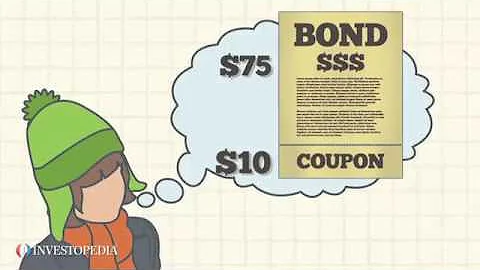
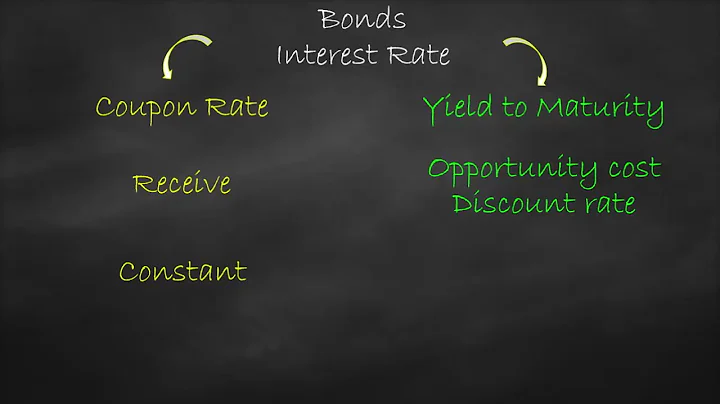
The coupon rate represents the fixed annual interest payment that bond issuers commit to pay bondholders. It is expressed as a percentage of the bond's face value and remains constant throughout the bond's term. For instance, a $1,000 bond with a 5% coupon rate will pay $50 annually regardless of market conditions.
Understanding Yield
Unlike the coupon rate, yield is a dynamic measure that reflects the actual return an investor receives based on the bond's current market price. Yield takes into account the coupon payments, the bond's market price, time to maturity, and any capital gains or losses.
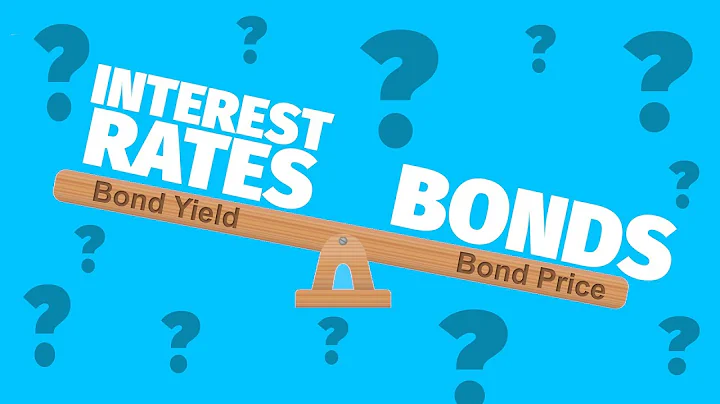
The relationship between coupon rate and yield is inversely related to bond prices:
- When bond prices rise above face value, yield falls below the coupon rate
- When bond prices fall below face value, yield rises above the coupon rate
Current Market Implications
The recent trend of real estate firms aggressively restructuring bond debt, as reported in Vietnam and other emerging markets, demonstrates how these concepts play out in real-world scenarios. As property companies face refinancing challenges, bond prices have fluctuated significantly, causing yields to adjust accordingly.
For investors, this environment presents both opportunities and risks. Higher yields may offer attractive returns, but they often signal increased default risk. Conversely, lower yields might indicate safer investments but with diminished returns.
Key Considerations for 2026
As we navigate 2026, several factors will continue to influence the coupon rate-yield dynamic:
- Interest Rate Environment: Central bank policies will directly impact new bond issuances and their coupon rates
- Credit Risk Concerns: Particularly in sectors like real estate, perceived risk affects yields
- Market Volatility: Fluctuations can create pricing discrepancies between coupon rates and yields
- Inflation Expectations: These influence investor demands for yield compensation
Conclusion
Understanding the distinction between coupon rate and yield remains essential for making informed investment decisions. In today's market, where real estate firms and other entities are restructuring debt, this knowledge becomes even more valuable. By recognizing how these metrics interact and respond to market conditions, investors can better position themselves for success in the evolving bond landscape.
CouponRate #Yield #BondMarket #InvestmentStrategy #RealEstateDebt #FinancialLiteracy #2026MarketTrends










Không đọc được JSON hợp lệ.
Xem đầy đủ Kết quả tìm kiếm hình ảnhcoupon rate vs yield